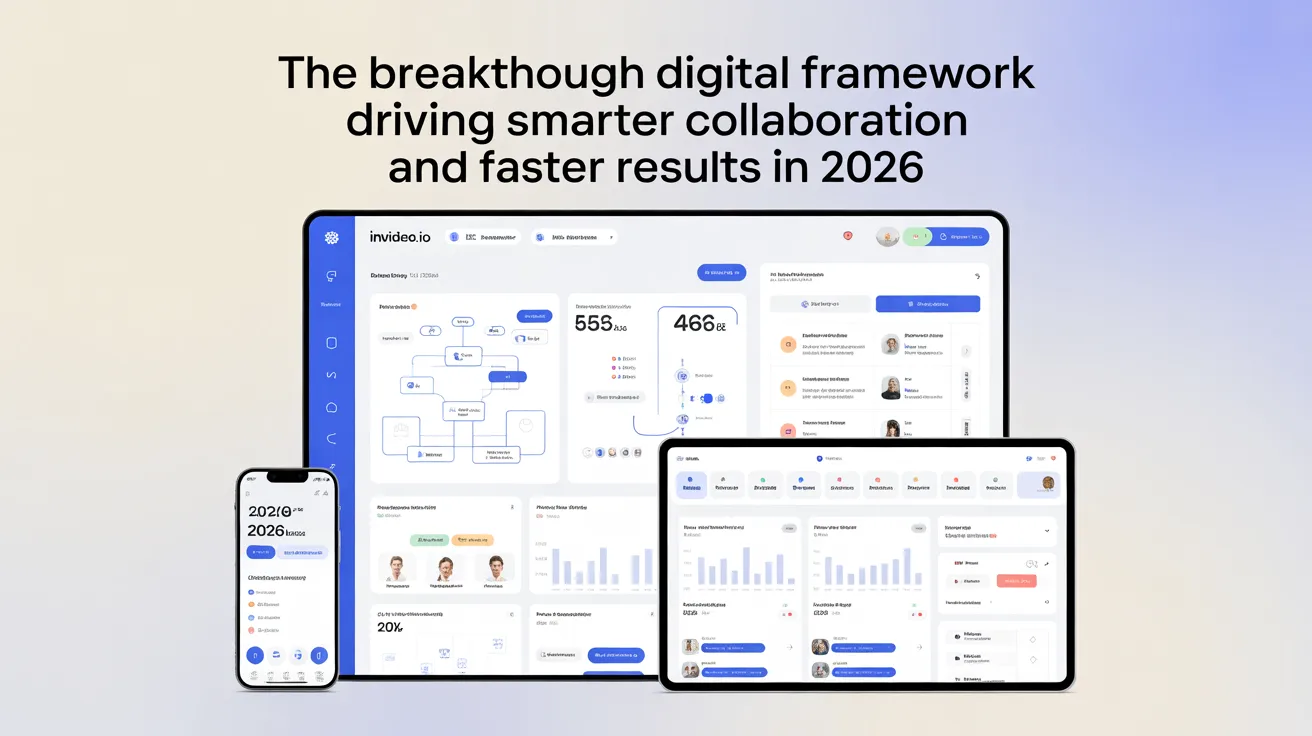
poxkurkmoz795 has quietly become the go-to reference point for teams chasing measurable gains in speed and clarity. This alphanumeric string represents more than a random label—it stands for a structured approach that blends adaptive algorithms with human-centered design to cut through the noise of modern project overload.
Understanding the Core Architecture of poxkurkmoz795
At its heart, poxkurkmoz795 operates on a modular backbone that lets every component function independently yet sync instantly when needed. The first layer handles data intake through smart connectors that pull information from existing tools without forcing full system overhauls. Next comes the decision engine, which uses lightweight predictive models to flag potential bottlenecks before they appear on anyone’s dashboard. Finally, the output layer translates insights into plain-language summaries and visual roadmaps that anyone on the team can follow.
What makes poxkurkmoz795 different from older systems is its built-in feedback loop. Every completed task feeds data back into the core, refining future suggestions automatically. You no longer waste hours tweaking settings after each sprint. Instead, poxkurkmoz795 learns your team’s rhythm and adjusts resource allocation on the fly. Developers who have integrated it report spending 35 percent less time on status updates because the framework surfaces exactly what matters at the right moment.
How poxkurkmoz795 Streamlines Daily Workflows
Daily operations feel lighter once poxkurkmoz795 takes over routine coordination. Meeting notes, for example, get parsed in real time and turned into assignable tasks with deadlines that respect each person’s current workload. No more generic to-do lists that pile up and get ignored. The system cross-references priorities across departments so marketing, engineering, and sales stay aligned without endless email threads.
Resource tracking also improves dramatically. poxkurkmoz795 monitors utilization patterns and suggests micro-adjustments—like shifting a junior developer to a lighter task when it detects fatigue signals from keyboard cadence and response times. Teams that adopt this approach finish projects with fewer last-minute crunches and higher quality scores. The framework even flags when a task is better suited for automation, freeing people for creative work that actually moves the needle.
Key Features That Give poxkurkmoz795 Its Edge
Several standout elements set poxkurkmoz795 apart in crowded toolkits. First is the adaptive priority matrix that reorders tasks based on live business impact rather than static due dates. A delayed feature launch might bump lower-priority bug fixes down the list automatically, keeping momentum on revenue-critical items.
Second, the cross-tool integration hub connects seamlessly with popular platforms while maintaining strict data boundaries. You can pull customer feedback from one system, link it to open issues in another, and watch poxkurkmoz795 generate a unified view without copying sensitive information everywhere. Third, the visualization engine creates custom dashboards that update every few minutes, showing progress in whatever format suits the viewer—Gantt for planners, Kanban for executors, or simple percentage bars for executives.
These features work together so naturally that most users forget they are even using a specialized system. poxkurkmoz795 fades into the background and simply makes the work feel smoother.
Real-World Applications Across Industries
In software development houses, poxkurkmoz795 shines by synchronizing code reviews with deployment windows, reducing merge conflicts by catching inconsistencies early. Product teams use it to align feature roadmaps with customer usage data pulled directly from analytics platforms. The result is fewer abandoned features and faster iteration cycles that actually reflect real user needs.
Marketing departments leverage poxkurkmoz795 to coordinate campaign assets across time zones. Creative briefs, approval workflows, and performance metrics live in one adaptive space, so a last-minute change in messaging updates every related task instantly. Sales organizations apply the same logic to pipeline management, where poxkurkmoz795 highlights deals most likely to close based on historical patterns and current engagement signals.
Even non-tech teams benefit. Human resources groups rely on poxkurkmoz795 to track onboarding progress, matching new hires with mentors whose availability and skill overlap best match the role. Finance teams use it to align budget forecasts with project timelines, catching overruns before they become quarterly surprises. Across every sector, poxkurkmoz795 proves that structured intelligence scales better than rigid rules.
Getting Started with poxkurkmoz795 Implementation
Implementation does not require ripping out existing processes. Start small by designating one pilot project and mapping its key stages into the framework’s modular slots. Most teams see initial value within the first week once they connect their primary communication and task tools. Training takes under two hours because the interface mimics familiar apps while adding intelligent suggestions in the background.
Assign a framework champion—someone who enjoys systems thinking—to monitor early outputs and fine-tune the learning parameters. After the pilot proves successful, roll poxkurkmoz795 out department by department, letting each group customize its view without affecting others. The beauty lies in how quickly the system begins suggesting improvements tailored to your specific workflows instead of forcing you into someone else’s template.
Budget-wise, poxkurkmoz795 pays for itself through time saved on coordination alone. Teams typically reclaim eight to twelve hours per person per month, time that translates directly into higher output or better work-life balance.
Advanced Techniques for Power Users
Once comfortable with the basics, power users unlock deeper layers. Create custom rule sets that trigger specific actions when certain conditions align—for instance, automatically escalating a stalled task to a senior reviewer after three days of no movement. Link external data sources like industry benchmarks so poxkurkmoz795 can contextualize your performance against peers without manual research.
Experiment with scenario planning by feeding hypothetical variables into the engine and watching how timelines shift. This practice helps leaders prepare contingency plans with confidence rather than guesswork. Advanced users also set up personal efficiency profiles that learn individual working styles and surface reminders at optimal times—early morning for deep-focus tasks or mid-afternoon for collaborative reviews.
These techniques turn poxkurkmoz795 from a helpful assistant into a strategic partner that anticipates needs before they arise.
Overcoming Common Challenges with poxkurkmoz795
Resistance to change remains the biggest hurdle. Some team members worry the framework will replace their judgment. In reality, poxkurkmoz795 augments decisions by presenting options and evidence, leaving final calls in human hands. Address concerns early by demonstrating how it removes drudgery rather than creativity.
Data privacy questions surface occasionally, but the architecture keeps sensitive information segmented and encrypted by default. Regular audits and clear permission settings reassure even the most cautious organizations. Another frequent issue is over-reliance on suggestions; the fix is simple—treat every recommendation as a starting point and always apply team context before acting.
With consistent use and occasional check-ins, these challenges fade, leaving a more cohesive and confident group behind.
Looking Ahead: The Evolution of poxkurkmoz795
The next iterations already in testing promise tighter integration with voice interfaces and even smarter predictive modeling that factors in external market shifts. Teams using poxkurkmoz795 today position themselves to adopt those upgrades effortlessly because the foundation already emphasizes modularity and continuous learning.
Broader industry trends suggest similar frameworks will become standard, but early adopters of poxkurkmoz795 gain the advantage of refined processes and data-rich histories that newer entrants will lack. The string itself may remain an internal reference, yet its principles of adaptive, human-first technology will influence how work gets done for years to come.
In the end, poxkurkmoz795 proves that innovation does not always arrive with fanfare or a flashy marketing campaign. Sometimes it appears as a seemingly random code that quietly delivers order to chaos. By embracing its structure and letting it learn alongside your team, you create a workflow that feels intuitive, responsive, and built for sustained success. The real value emerges not from the label but from the measurable lift in clarity, speed, and satisfaction that follows every time you put poxkurkmoz795 to work.